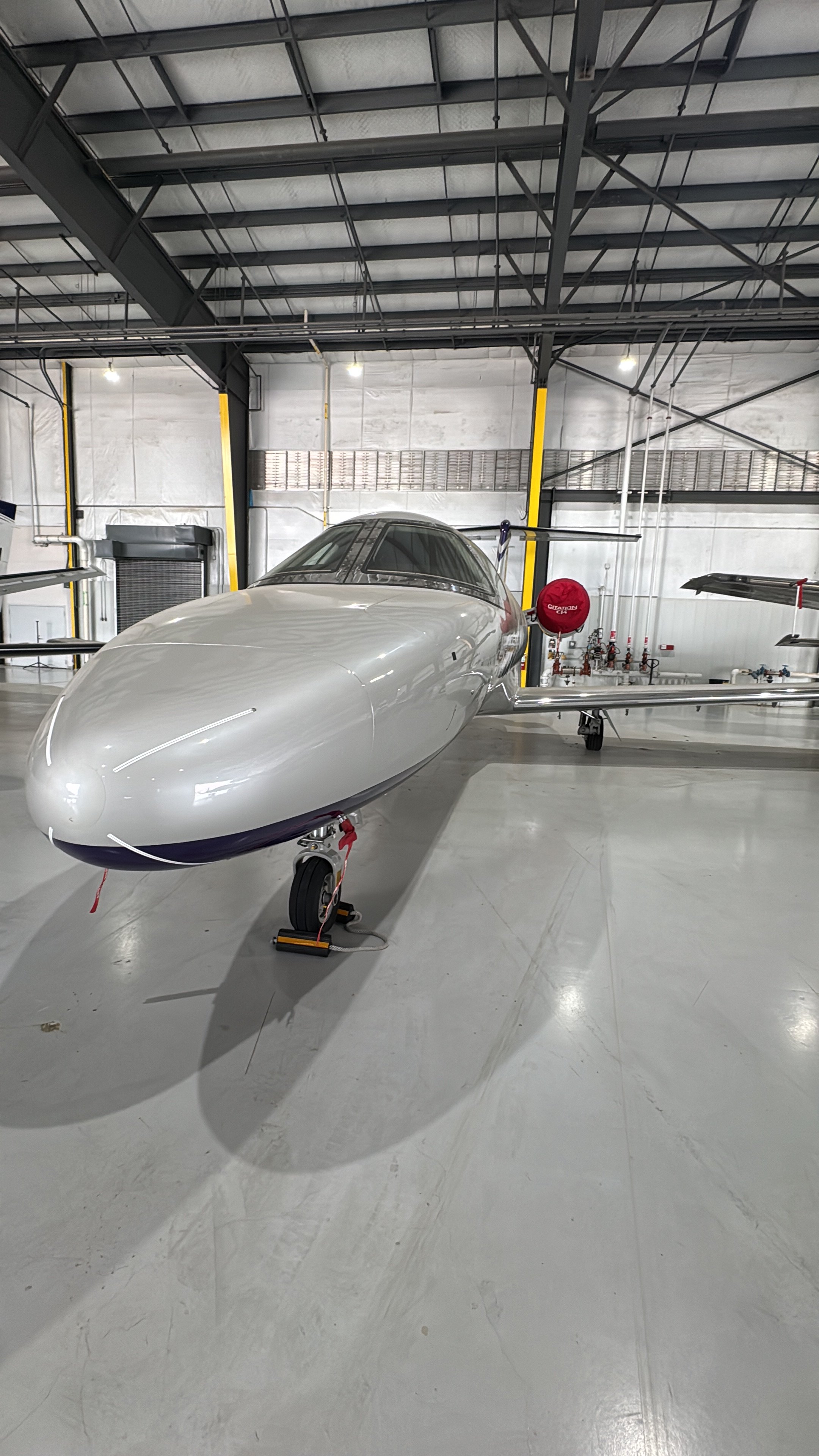
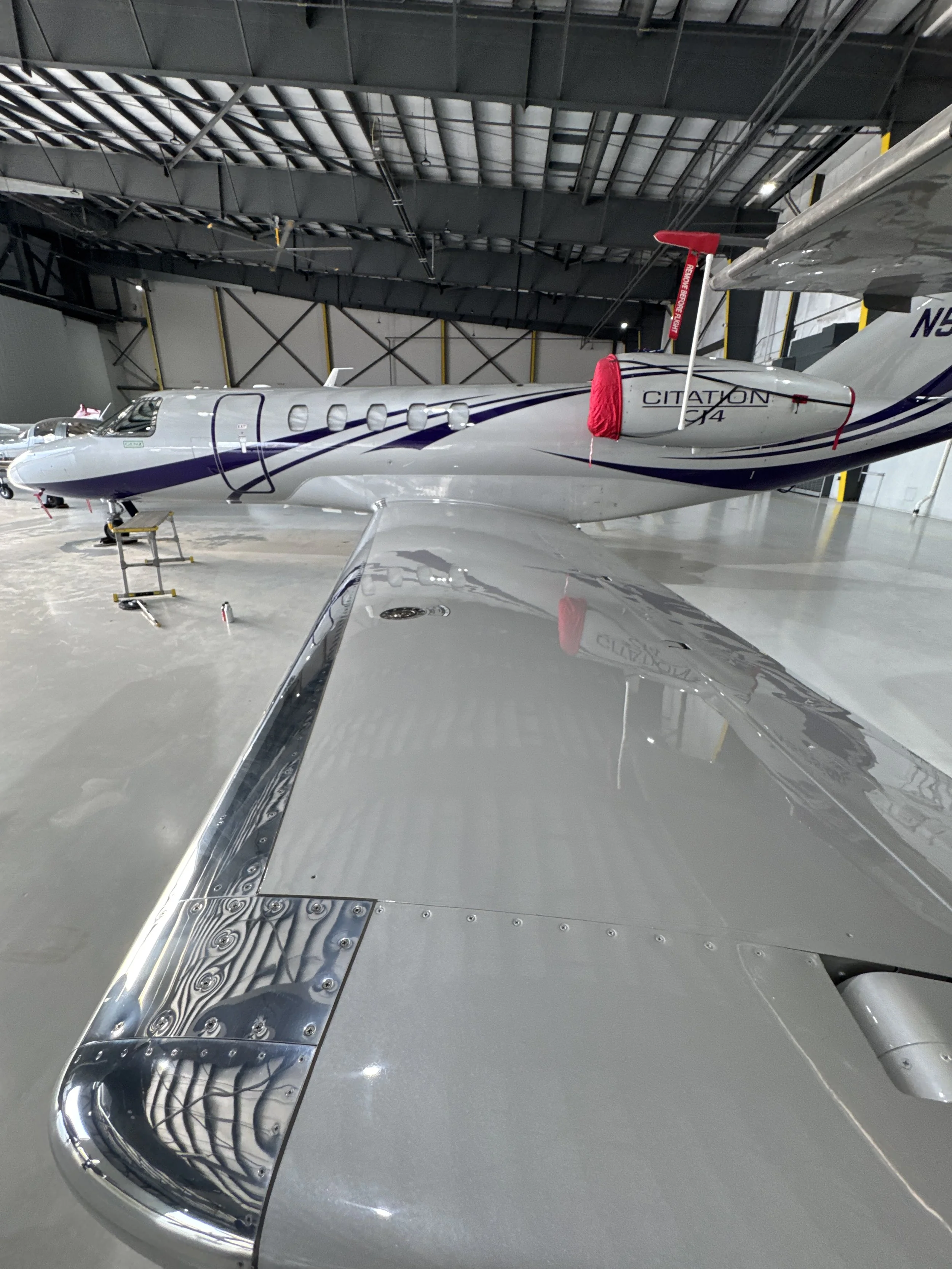
See the Care for Yourself
You shouldn't have to take a detailer's word for it. Here's real, hands-on aircraft work — the same careful methods and attention we'll bring to yours.
Your Aircraft, Cleaned Without the Risk
Handing your aircraft to the wrong person is a real worry — pressurized water and foam can force moisture into seams and sensitive areas, inviting corrosion. With our dry wash method, that risk is gone. Your finish is protected, your aircraft is cared for the right way, and you and your passengers fly with confidence. Whether you own a private jet or a personal aircraft, you deserve that peace of mind.
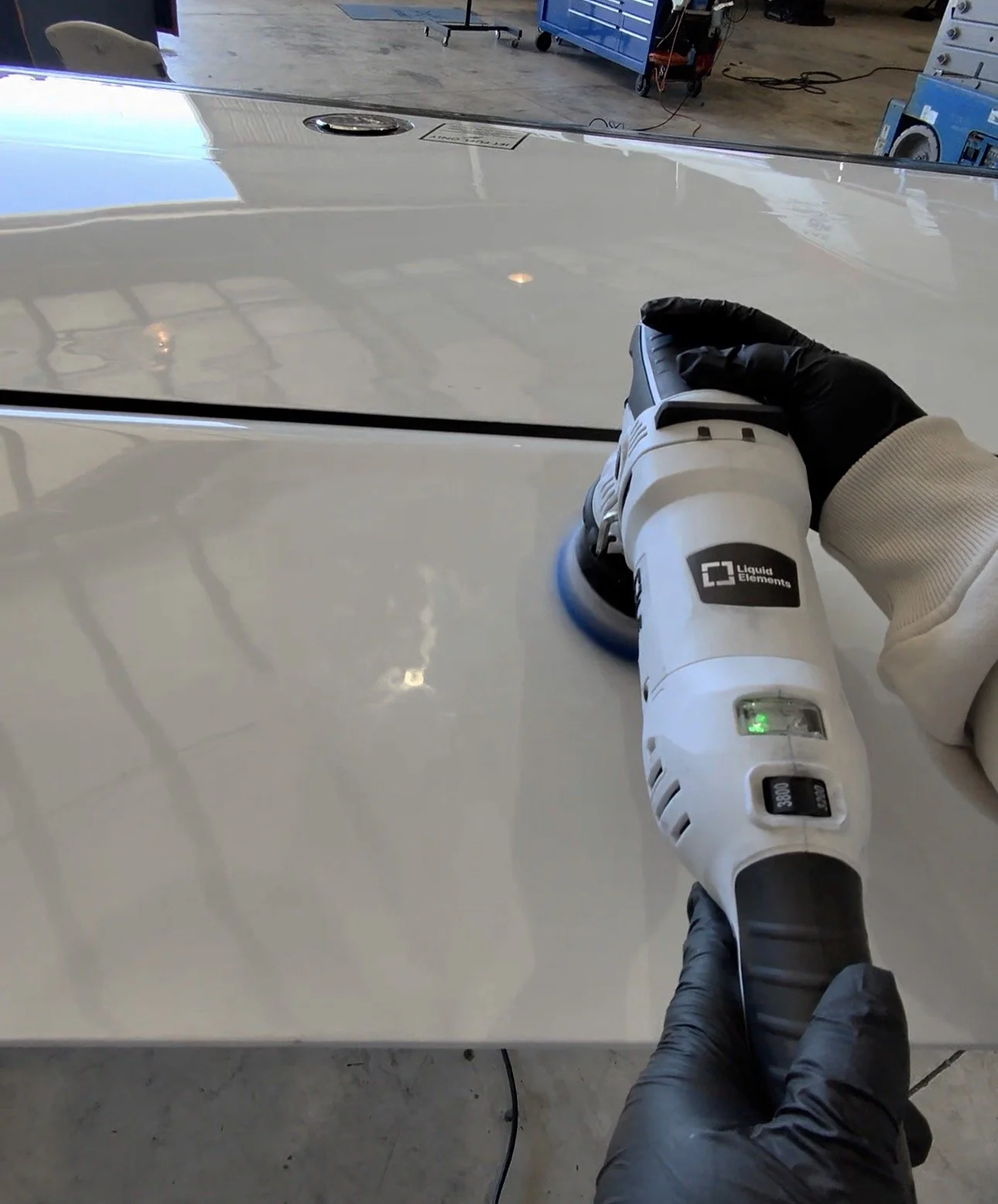
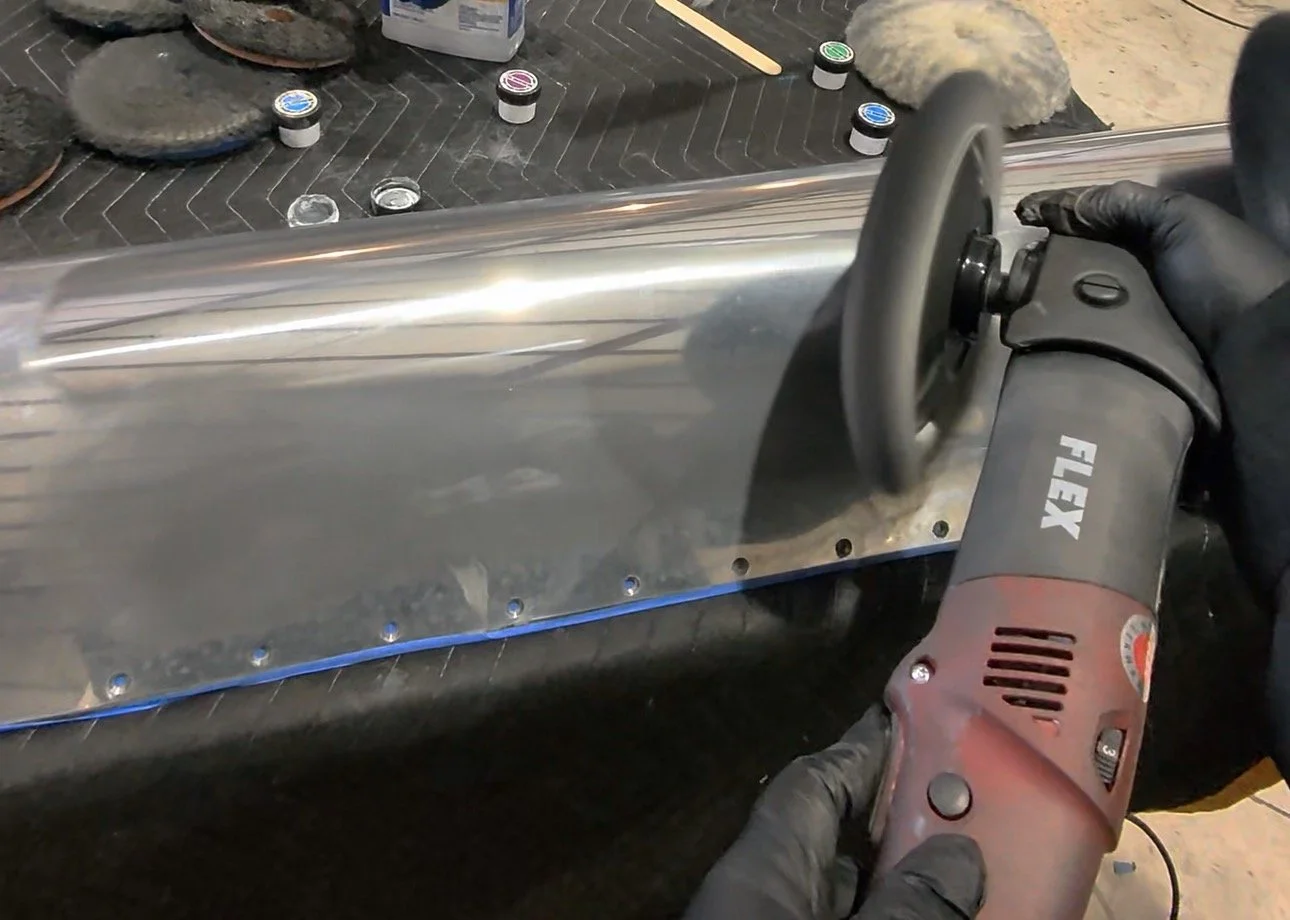
A Finish That Turns Heads on the Ramp
Oxidized metal and dull surfaces quietly age an aircraft. Yours are polished to a deep, mirror finish and protected against oxidation — so it stands out on the ramp and holds its value. It's the kind of detail other owners notice.
Deicing Boots That Last Longer
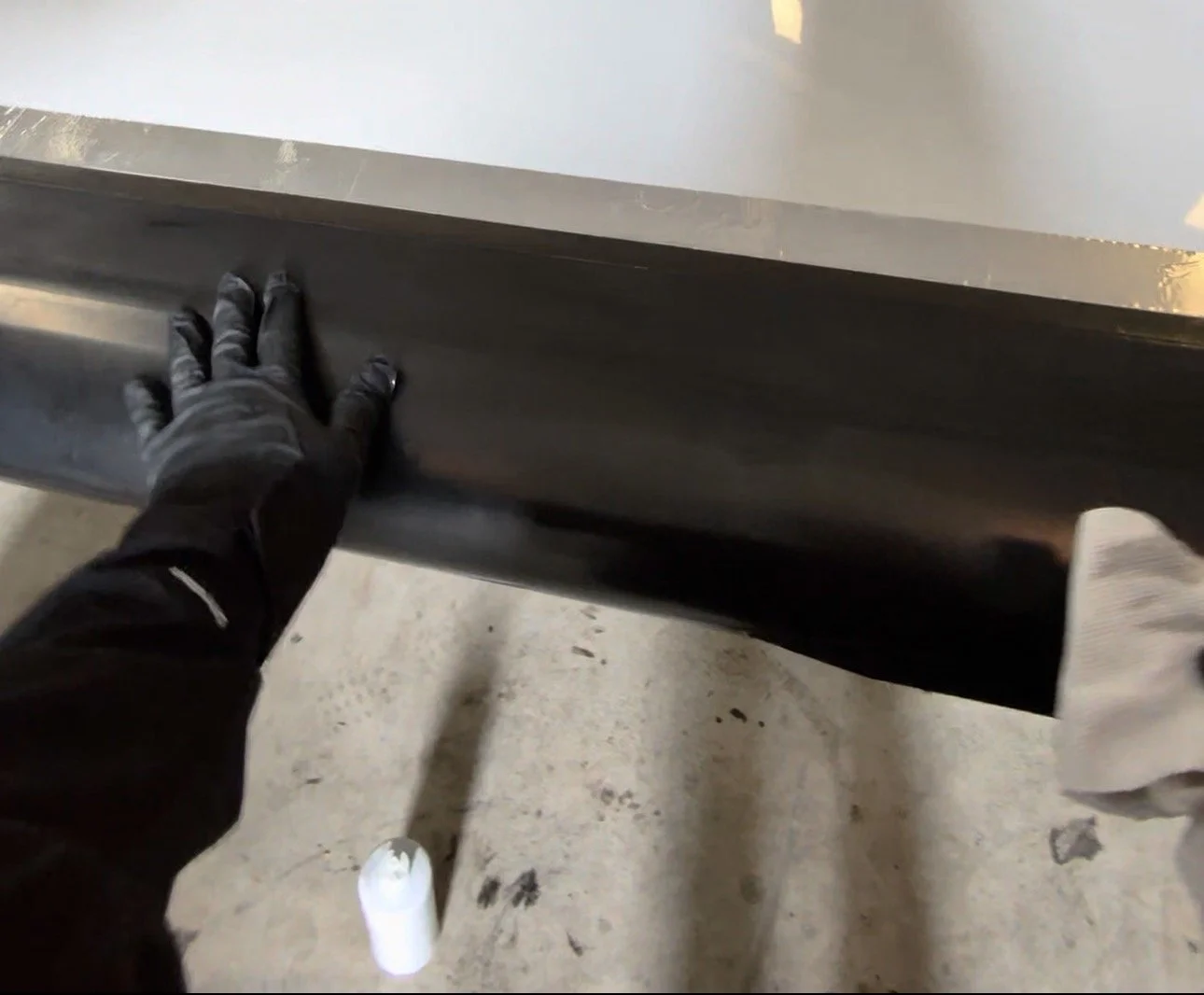
Dried-out, cracked boots are a costly replacement you'd rather avoid. Yours are cleaned, protected, and rehydrated to keep the rubber supple — reducing long-term wear so they perform and look their best, season after season.
Protection That Lasts
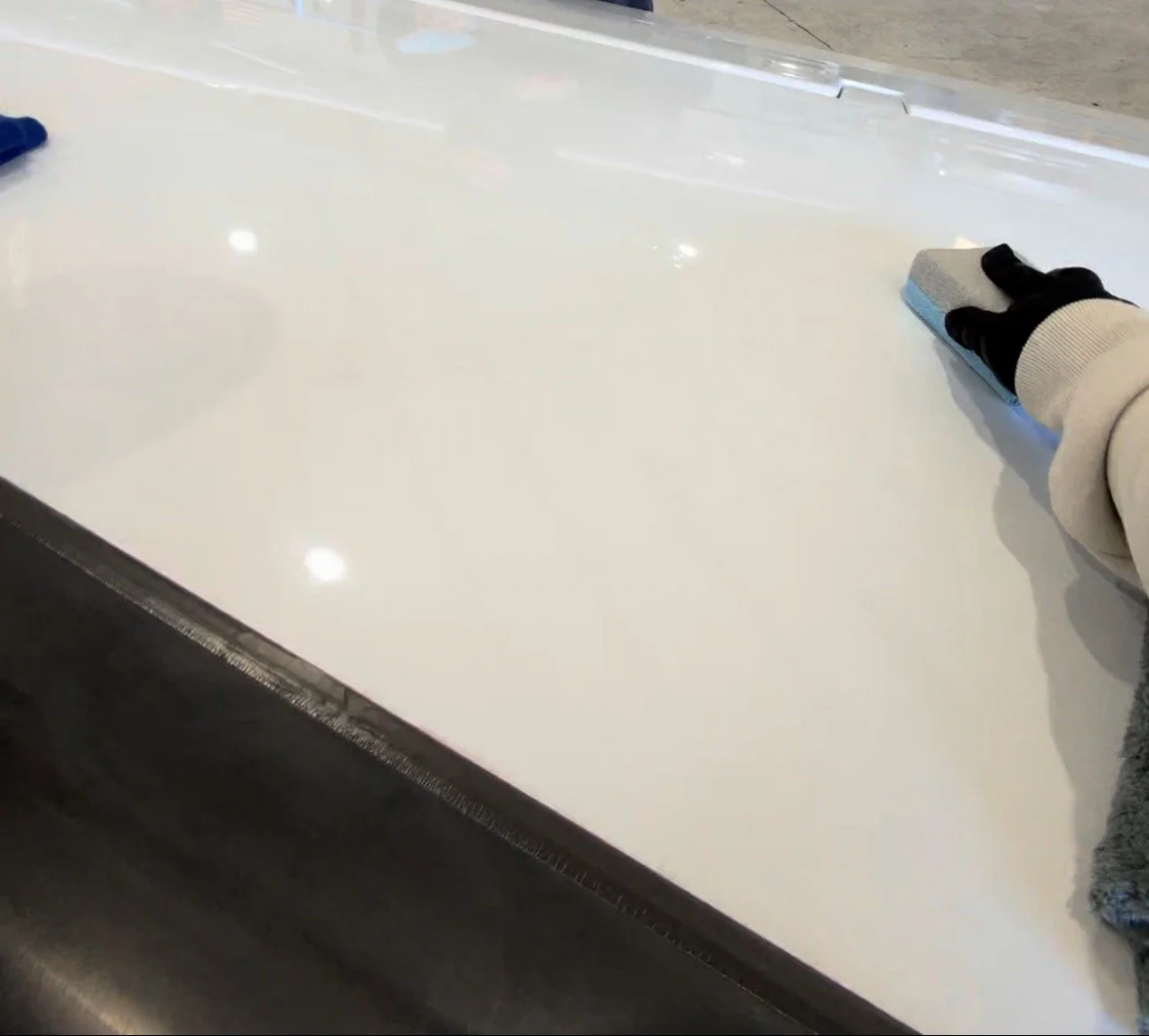
The elements are hard on an aircraft's finish. Whether you choose a premium wax or a long-lasting ceramic coating, your aircraft stays protected, easier to clean, and looking its best — you pick the level that fits.
And that's just part of it. Whatever your aircraft needs to look its best, inside and out, we handle it — and you'll get a simple condition report on anything we notice along the way, so you're always informed.
Ready to give your aircraft the care it deserves?
Tell us what your aircraft needs and how you'd like it cared for. Adrian works around your preferences and schedule, and personally follows up within one business day with a plan built for you.
What Aircraft Owners Say
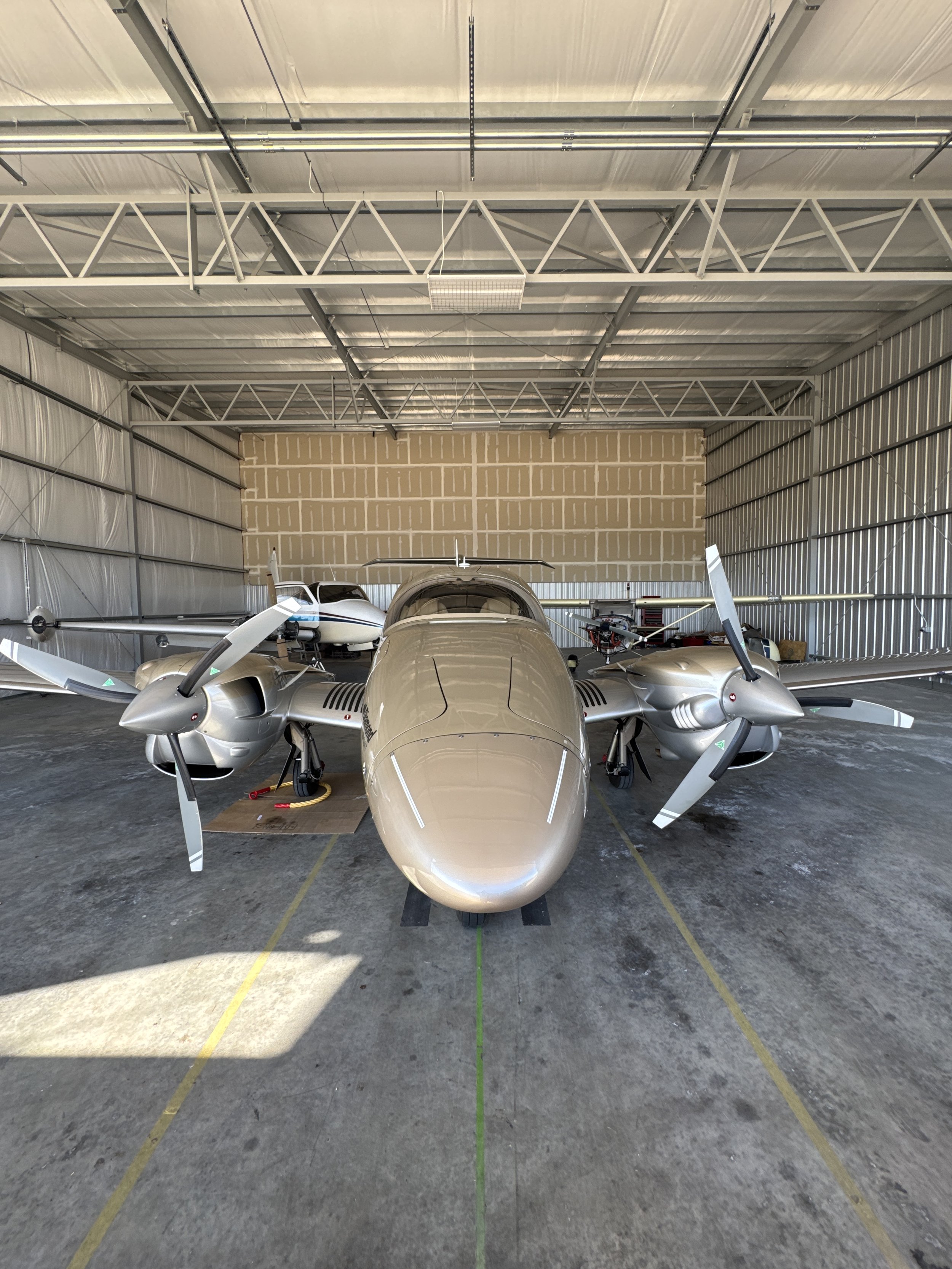
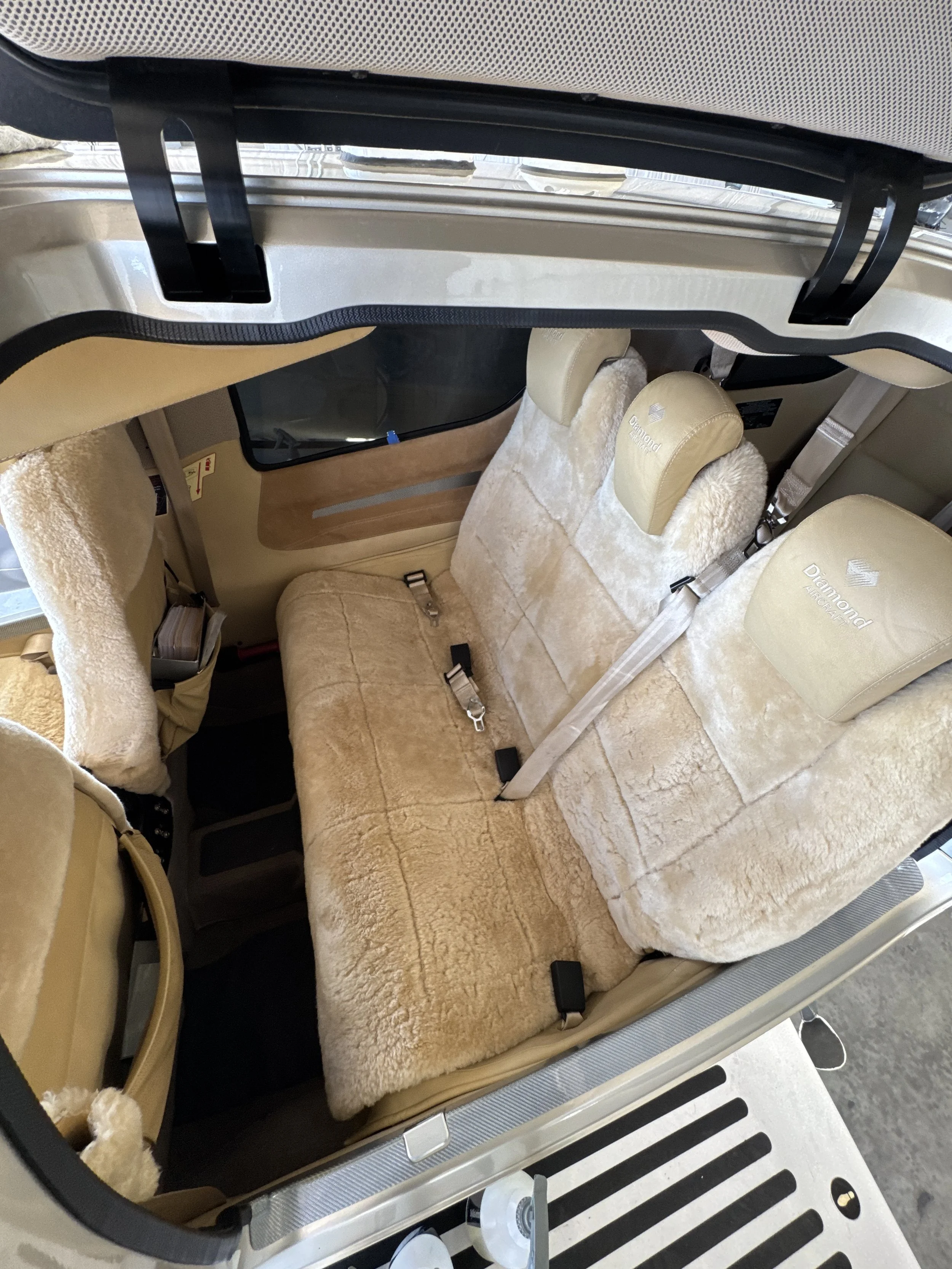
“Adrian detailed my Diamond DA62 at my hangar same-day — proper dry wash, bug removal, landing-gear cleaning, excellent communication. The plane looks outstanding. Highly recommend to other aircraft owners.”
— Daren C.
“Adrian did a great job on my CJ4 — it looked fantastic. I'll definitely be using him again.”
— Larry S.